
Shattered Dreams: High-Flying Career Collides with Drug Charges in Nigeria
A US basketball player's arrest with 34kg cannabis in Nigeria highlights career pitfalls and illicit networks. What lessons does this hold for African youth…

The arrest of a promising US basketball player with a substantial quantity of cannabis at Lagos’s Murtala Muhammed International Airport has sent ripples across the continent, serving as a stark reminder of the hidden perils that can derail young, aspiring professionals.
Greene Da'monte Khiree, 28, a US national with a history in professional basketball in Thailand and semi-pro leagues in the US, was apprehended by Nigeria’s National Drug Law Enforcement Agency (NDLEA) carrying almost 34 kilograms of a potent cannabis strain known as "Loud." The incident, unfolding on Wednesday, saw officials become suspicious when Khiree allegedly attempted to abandon two checked-in bags and exit the airport with only his carry-on.
A Promising Trajectory Derailed
Khiree's sporting journey included stints with Reinhardt University and South Georgia Technical College, culminating in a leading scorer role for the Georgia Bombers before moving to Thailand. He claimed to be visiting Nigeria to "build networks" for his career, a statement now tragically juxtaposed against the grave allegations he faces. NDLEA investigations, including an examination of his mobile phone, reportedly point towards his explicit involvement in drug trafficking.
The sheer volume of the illicit substance – 32 meticulously packed parcels – alongside the discovery of a tracking device in his luggage, underscores the seriousness of the operation he is alleged to have been part of. His recent appearance in the Phuket Elite Cup in Thailand adds another layer of complexity to the narrative of a young athlete's career taking an alarming turn.
Nigeria's Evolving Role in Global Narcotics
This arrest is not an isolated event but rather indicative of Nigeria's deepening entanglement in the global drug trade. Once primarily a transit point, the West African nation has, according to the UN, morphed into a significant producer, consumer, and distributor of illegal narcotics. Recent NDLEA successes include dismantling industrial-scale methamphetamine laboratories and apprehending suspected drug kingpins, some with alleged links to Mexican cartels.
These developments highlight a disturbing trend where sophisticated criminal networks exploit various vulnerabilities, posing a significant threat to national and regional security. The presence of highly addictive synthetic drugs like methamphetamine on the continent, with its devastating social and health consequences, is a growing concern for policymakers and communities alike.
The South Africa / Africa Angle
For the "Skills for Africa" audience – comprising TVET colleges, universities, policymakers, and those invested in youth development – this incident offers critical lessons. The narrative of a young athlete with apparent talent and international exposure falling prey to illicit activities resonates deeply with the challenges faced by many African youth.
Firstly, it underscores the importance of robust mentorship and support systems for young professionals, especially those pursuing careers with international exposure like sports. The allure of quick financial gain, against a backdrop of economic pressures and limited opportunities, can make individuals vulnerable to exploitation by criminal syndicates.
Secondly, the incident highlights the urgent need for comprehensive skills development that extends beyond technical competence to include ethical leadership, critical thinking, and awareness of global risks. Educational institutions and workforce training programmes must equip youth not only with job-specific skills but also with the resilience and judgment to navigate complex ethical dilemmas.
Furthermore, as African nations strive to build legitimate economies and foster youth employment, the pervasive threat of drug trafficking undermines these efforts. It diverts human capital, fuels corruption, and destabilises communities. Investing in legitimate pathways for success – through quality education, vocational training, and entrepreneurship support – becomes even more critical in countering the destructive pull of the illegal drug trade. This case, though involving a foreign national, serves as a stark warning about the societal costs when young potential is exploited for criminal gain.
Source: BBC Africa

Beyond the Numbers: South Africa's Youth Unemployment Demands a Skills Revolution
"Skills for Africa" examines SA's 47.3% youth unemployment crisis. Discover the critical role of skills development, TVETs, and policy in empowering Africa's…

Beyond the Whistle: How African Women's Football Forges Skills and Futures
AS FAR's historic triumph in the Women's African Champions League signals new opportunities for youth skills development and career pathways in African sports.
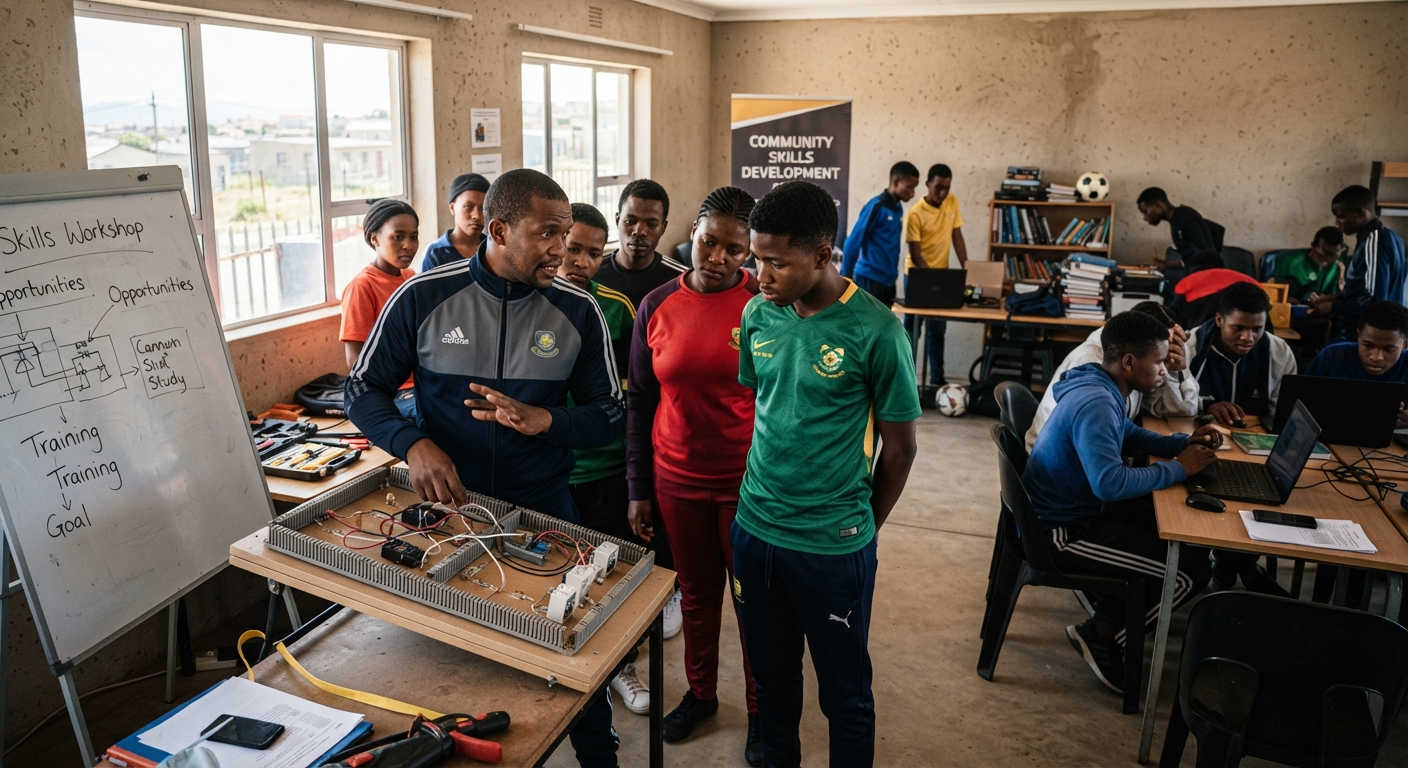
Beyond the Goal: AFCON Qualifiers – A Blueprint for Skills and Opportunity in Africa
Beyond the goals, Africa's AFCON qualifiers highlight the crucial role of teamwork, discipline, and strategic thinking – inspiring youth towards skills…