
AFCON 2027 Qualifiers: A Blueprint for Skills, Infrastructure, and Youth Empowerment
Explore how AFCON 2027 qualifiers highlight crucial needs for skills development, infrastructure investment, and youth empowerment across Africa, offering…

As the race for AFCON 2027 qualification intensifies across the continent, the unfolding drama on the pitch offers more than just sporting spectacle. For a publication like "Skills for Africa," these qualifiers are a stark reminder of the critical interplay between sporting ambition, robust infrastructure, and the urgent need for comprehensive skills development to empower our youth.
The Road to AFCON 2027: A Test of Talent and Systems
Nations like Senegal, Cameroon, and Benin are on the cusp of securing their berths in Kenya, Tanzania, and Uganda, demonstrating not only exceptional footballing talent but also the fruits of sustained investment in player development pathways. The likes of Nicolas Jackson for Senegal and the consistent performance of five-time champions Cameroon highlight an established system that nurtures elite athletes. Yet, beyond the individual brilliance, each victory represents a collective effort – from coaching staff and sports scientists to administrative teams and medical professionals – all highly skilled individuals contributing to national success. Ghana, regrouping after a managerial change, also underscores the adaptive leadership and strategic thinking crucial in any high-stakes environment.
Infrastructure Deficits and Opportunities
The qualification narrative also exposes significant disparities and critical needs. Somalia's inability to host its home fixtures due to a lack of international-standard stadiums, forcing them to play in Ghana, is a poignant example. This isn't merely a sporting inconvenience; it's a profound skills development opportunity lost. Building, maintaining, and managing modern sports infrastructure requires a vast array of vocational and technical skills: engineering, construction, electrical work, plumbing, landscaping, security management, and hospitality services. Every new stadium, every upgraded training facility, could be a vocational training ground and a source of employment for thousands of young Africans. This shortfall should ignite conversations within our TVET colleges about specialised programmes in sports facility management and event logistics.
South Africa's Stance: Bafana Bafana and the Broader Vision
Closer to home, South Africa's Bafana Bafana are locked in a tight qualification battle, trailing Guinea in a group that only offers one spot to the finals (as co-hosts Kenya are automatically in). The Warriors of Zimbabwe, too, are making a strong push. For South Africa, national team success resonates far beyond the football pitch. It inspires a generation, creates national pride, and can be a powerful catalyst for youth participation in sports. It also drives demand for local businesses around match days and spotlights the need for continued investment in grassroots development, academy systems, and talent identification – all skill-intensive endeavours that feed into the national economy and create career pathways for young people.
The South Africa / Africa Angle
For "Skills for Africa," these AFCON qualifiers are a living blueprint. They showcase the tangible outcomes of investing in talent, whether it's through formal sports education, professional academies, or leadership development for coaches and administrators. The infrastructure gaps, as seen with Somalia, are not just problems but massive opportunities for our TVET colleges and universities to train the next generation of civil engineers, project managers, tradespeople, and facilities managers. NSFAS-supported students could find invaluable practical experience in these sectors. Furthermore, the burgeoning African sports economy offers pathways to combat youth unemployment, from sports journalism and digital content creation to sports marketing and event management. Success on the field is a powerful motivator for national unity and a clear demonstration of how focused skills development can translate into global competitiveness.
Source: BBC Africa
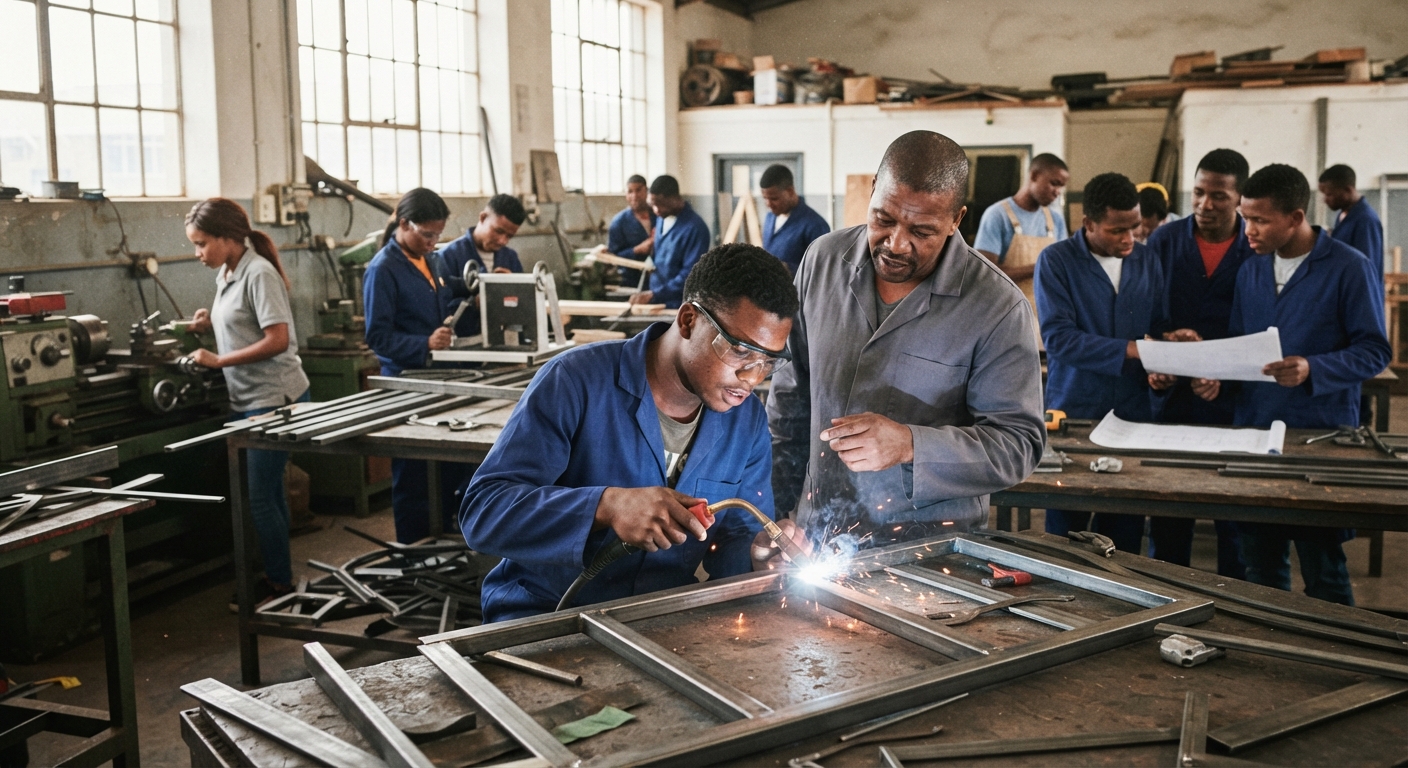
Crafting Futures: How Vocational Skills Are Redefining Success for South Africa's Youth
Discover how vocational skills and trades are redefining success for South Africa's youth, offering real pathways to employment, entrepreneurship, and economic

SPAR Fuels Women's Economic Power: A Blueprint for Skills Development
SPAR South Africa's investment in women's futures is a key step for skills development & economic empowerment, impacting youth unemployment in SA.

Toxic Tides: Nigerian Tragedy Spurs Urgent Calls for Student Safety Across Africa
Four student deaths at a post-exam party in Nigeria highlight urgent safety concerns for youth across Africa. Skills for Africa explores the dangers and calls…