
Crafting Futures: How Vocational Skills Are Redefining Success for South Africa's Youth
Discover how vocational skills and trades are redefining success for South Africa's youth, offering real pathways to employment, entrepreneurship, and economic
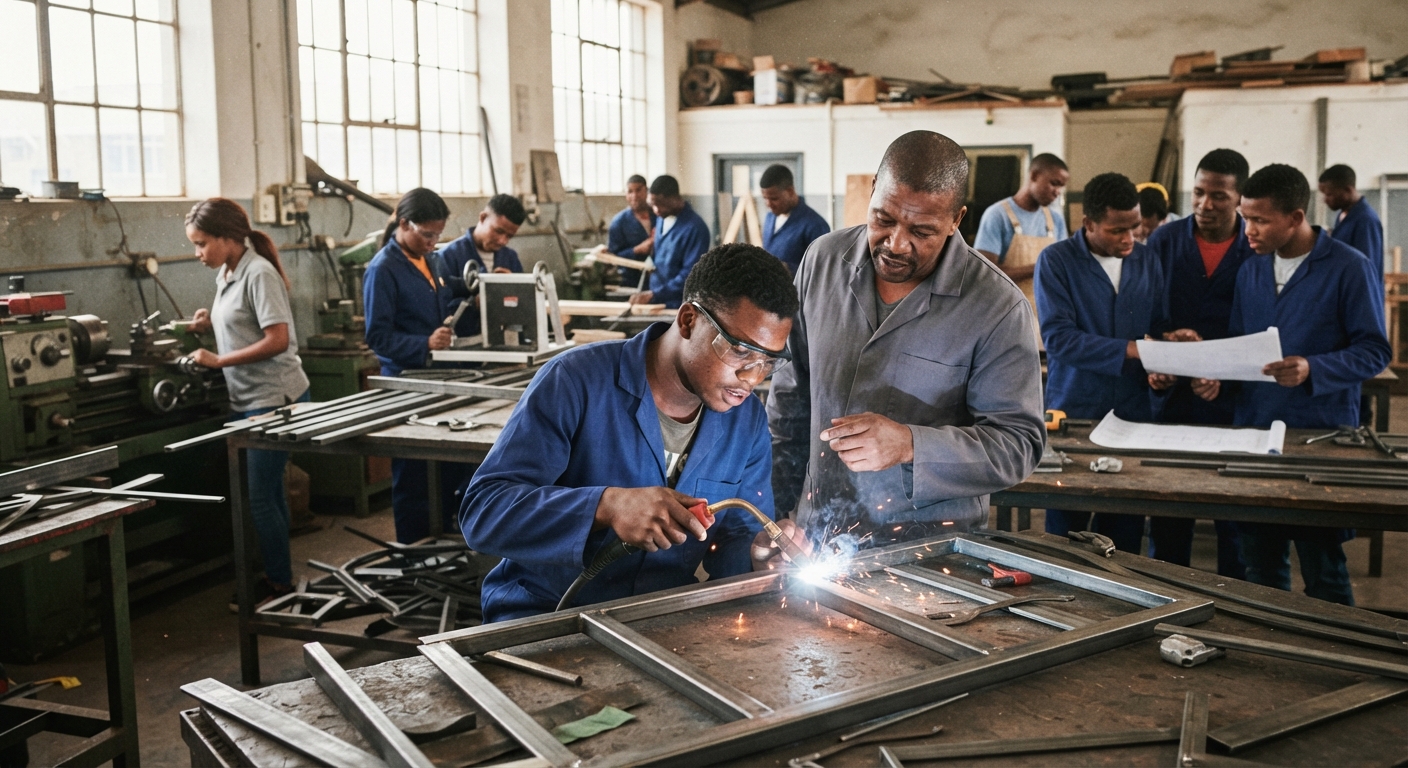
South Africa grapples with stubbornly high youth unemployment, a persistent challenge that often leaves matriculants and even graduates feeling disoriented. Yet, amidst this uncertainty, a powerful and often overlooked pathway to economic empowerment is gaining traction: the trades. Far from being a 'plan B', vocational training is emerging as a primary driver for job creation, skills development, and dignified livelihoods for a new generation.
The Shifting Landscape of Opportunity
For decades, the societal narrative often pushed young South Africans towards university degrees as the sole route to success. However, the realities of the modern job market are rewriting this script. Industries across the board – from manufacturing and construction to automotive and digital services – are desperately seeking skilled artisans: electricians, plumbers, welders, mechanics, chefs, and IT technicians. These are not merely 'jobs'; they are essential pillars of our economy, offering stability, good earning potential, and the chance to contribute tangibly to national development.Beyond the Stigma: Real-World Impact
Overcoming historical stigmas associated with 'blue-collar' work is crucial. Today's trades are technologically advanced, require sophisticated problem-solving, and provide direct pathways to entrepreneurship. A qualified artisan can open their own business, employ others, and build generational wealth, bypassing the traditional employee-employer dynamic. Furthermore, the immediate applicability of vocational skills means graduates can enter the workforce much faster than many university counterparts, leading to quicker financial independence and reduced pressure on families.Pathways to Prosperity: TVETs and Beyond
Technical and Vocational Education and Training (TVET) colleges are at the heart of this transformation. These institutions offer a diverse range of programmes designed to equip students with practical, industry-relevant skills. Supported by initiatives like the National Student Financial Aid Scheme (NSFAS), which increasingly extends its reach to TVET students, access to these crucial learning opportunities is expanding. Partnerships between TVETs and private industry are also vital, ensuring curricula remain aligned with market needs and providing invaluable work-integrated learning and apprenticeship opportunities.The South Africa / Africa Angle
For South Africa, embracing trades is not just about individual career paths; it's a strategic imperative for national development. With ambitious infrastructure projects on the horizon, a growing manufacturing sector, and the need for widespread maintenance and repair, the demand for skilled artisans will only intensify. Addressing youth unemployment through vocational training provides dignity, reduces social instability, and builds a more robust, self-reliant economy. Furthermore, South Africa's success in this area can serve as a powerful model for other African nations grappling with similar challenges, fostering regional skills development and economic integration.The message is clear: trades offer a powerful, respected, and financially rewarding future for South Africa's youth. By championing vocational pathways, investing in TVET institutions, and shifting societal perceptions, we can unlock a generation's potential, build a stronger economy, and craft a more prosperous future for all.
Source: Google News · education & jobs SA

Beyond the Beautiful Game: How AFCON 2027 Can Unlock Africa's Youth Potential
Explore how AFCON 2027 bids, like Ghana's, can drive infrastructure development, create jobs, and foster essential skills for African youth and TVET graduates.

Ebola's Unseen Foe: Financial Mismanagement Cripples DRC's Health Response
Millions meant for DRC's Ebola fight are missing, leaving frontline workers unsupported. Skills for Africa explores the impact on healthcare, youth, and…

Stellenbosch Researcher Ignites Hope with Groundbreaking Climate Adaptation Award
Stellenbosch University's Dr. Nandi Khumalo receives inaugural award for climate research, inspiring youth and shaping Africa's sustainable future.