
Beyond Temporary Fixes: 215,000 Youth Jobs Lost, Sparking Urgent Skills Debate
215,000 jobs shed as education employment programme ends. Skills for Africa explores the impact on youth & the critical need for lasting career pathways.…
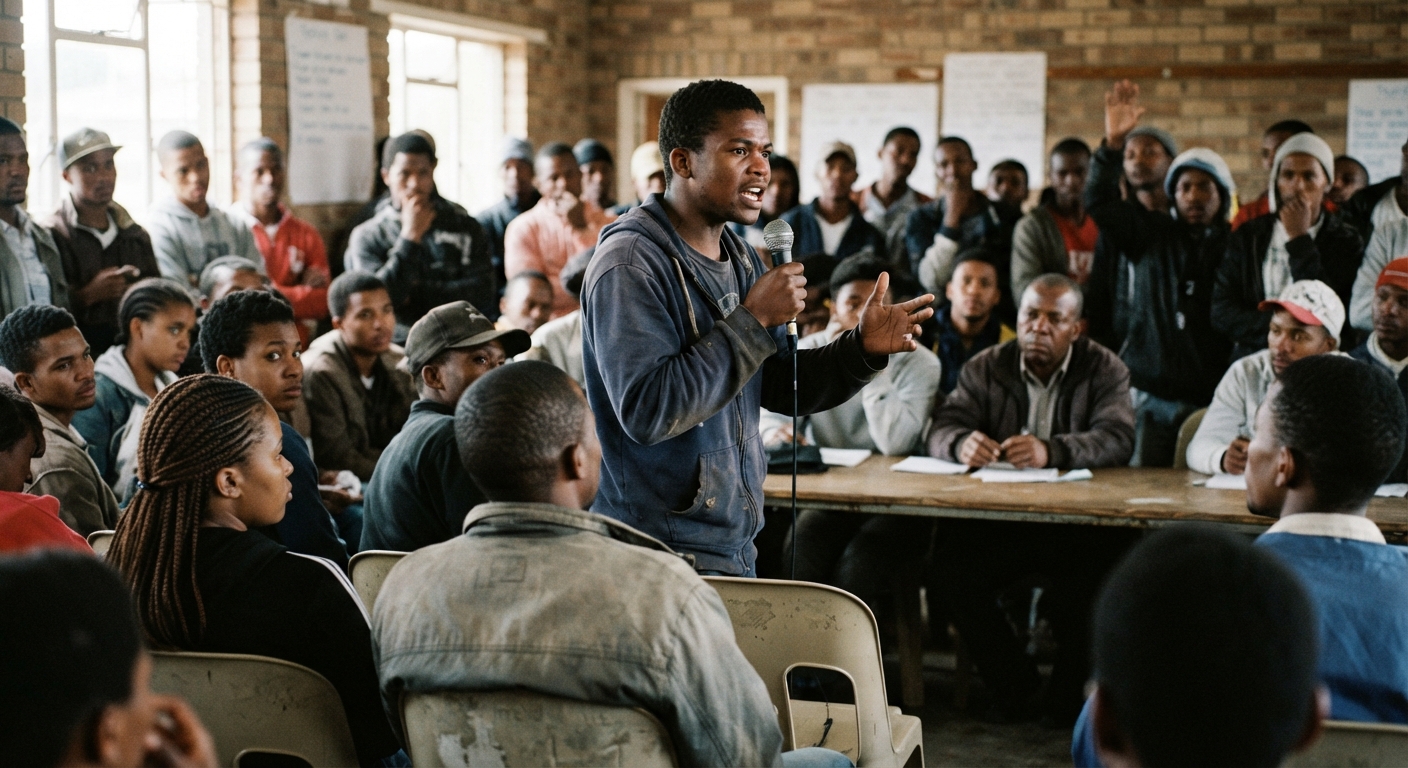
South Africa is grappling with a stark reminder of its persistent youth unemployment challenge, as a significant government-led education employment initiative concludes, leading to the shedding of an estimated 215,000 jobs. This massive reduction in temporary positions underscores the critical need for sustainable pathways to employment for the nation’s young people, shifting focus from short-term interventions to long-term skills development and economic integration.
The Ripple Effect of Job Losses
The termination of this prominent education employment programme, which saw thousands of young individuals deployed across schools in various support roles, has left a substantial void. For many participants, these positions offered not just an income but invaluable work experience, a foot in the door of the formal economy, and a sense of purpose. The sudden cessation of these roles means 215,000 individuals, predominantly youth, are now back in a highly competitive job market, often without a clear next step. This exacerbates an already dire situation where youth unemployment rates remain stubbornly high, impacting livelihoods, household incomes, and national morale.
From Temporary Relief to Lasting Solutions
While initiatives designed to provide immediate relief and experience are crucial, the scale of these job losses highlights the inherent limitations of temporary programmes in addressing a structural crisis. "Skills for Africa" has long advocated for a holistic approach that integrates education, training, and industry needs. The focus must pivot towards creating durable employment opportunities through robust skills development, fostering entrepreneurship, and strengthening the links between academic institutions and the demands of the workforce.
This demands a serious re-evaluation of how our education and training systems, particularly TVET colleges and universities, prepare matriculants for the realities of the job market. It calls for enhanced collaboration between government, the private sector, and civil society to co-create sustainable job opportunities that extend beyond the lifecycle of grant-funded programmes.
The South Africa / Africa Angle
For our audience – students navigating NSFAS and matric results, TVET institutions shaping future artisans, university graduates seeking their first break, and policymakers crafting skills development strategies – these 215,000 job losses are a clarion call. They demonstrate the fragility of relying on temporary measures and amplify the urgency for comprehensive reform. What happens when these programmes end? How do we ensure that the skills gained are recognised and transferable? Our education ecosystem must be agile, responsive, and geared towards building resilient career paths, not just providing temporary engagement.
This situation offers a crucial moment for introspection across the continent: Are we genuinely equipping our youth with future-proof skills? Are our policies fostering an environment where talent can thrive sustainably? The lesson is clear: investment in quality, market-aligned education and training, coupled with an enabling economic environment, is the only enduring solution to Africa’s youth employment challenge.
Source: Google News · education & jobs SA

Beyond the Beautiful Game: How AFCON 2027 Can Unlock Africa's Youth Potential
Explore how AFCON 2027 bids, like Ghana's, can drive infrastructure development, create jobs, and foster essential skills for African youth and TVET graduates.

Ebola's Unseen Foe: Financial Mismanagement Cripples DRC's Health Response
Millions meant for DRC's Ebola fight are missing, leaving frontline workers unsupported. Skills for Africa explores the impact on healthcare, youth, and…

Stellenbosch Researcher Ignites Hope with Groundbreaking Climate Adaptation Award
Stellenbosch University's Dr. Nandi Khumalo receives inaugural award for climate research, inspiring youth and shaping Africa's sustainable future.