
Beyond the Scrum: Rassie Erasmus's Ban and the Ethics of Leadership for Africa's Youth
Rassie Erasmus's World Rugby ban offers vital lessons in professional conduct, ethical leadership, and accountability for African youth entering the workforce.

South African rugby, a source of immense national pride and a powerful unifier, has once again found itself in the international spotlight – this time, for reasons extending beyond the field of play. Rassie Erasmus, the celebrated architect behind two Springbok Rugby World Cup victories, has been handed a six-match ban by World Rugby. While seemingly a sports story, this incident offers a potent case study in professional conduct, ethical leadership, and the critical importance of communication, lessons invaluable for Africa’s aspiring workforce and current leaders.
A Leader Under Scrutiny
The ban stems from comments made by Erasmus regarding match officiating during a recent defeat to France. He publicly questioned what he perceived as double standards in applying new tackle rules, going so far as to ask, "is that not match-fixing?" This isn't Erasmus's first brush with World Rugby's disciplinary process; he has faced sanctions previously for similar criticisms of officials. World Rugby's independent panel found his recent remarks suggested officials acted with "bias/prejudice or deliberately influenced the outcome of a match," a serious accusation in any professional sphere.
The Heart of the Controversy
At the core of the issue is the fine line between constructive criticism and public accusation. In high-pressure environments, leaders often face situations where they disagree with decisions or processes. The challenge lies in how these disagreements are communicated. Erasmus's repeated public questioning of officials' integrity, rather than pursuing formal channels or offering policy-driven feedback, has drawn the ire of the sport's governing body. The incident underscores that even the most accomplished individuals are accountable to established codes of conduct and governance structures, designed to maintain the integrity of their respective professions.
Consequences and Call for Accountability
For Erasmus, the ban means missing crucial international fixtures, including upcoming matches against Ireland and the start of the Rugby Championship. For South Africa Rugby, it necessitates an internal review and the request for a full misconduct hearing, aiming to contextualise his comments. This process highlights the mechanisms of accountability present in professional organisations worldwide. It demonstrates that actions have consequences, particularly for those in leadership positions whose words carry significant weight and influence.
The South Africa / Africa Angle
For the "Skills for Africa" audience – TVET college students, university graduates, and young professionals entering the workforce – this incident offers critical insights into the professional landscape.
Firstly, ethical leadership and professional communication are paramount. Aspiring managers and entrepreneurs must learn to navigate disagreements and perceived injustices through respectful, formal channels, rather than public disparagement. This builds trust, fosters a culture of integrity, and ensures due process.
Secondly, the situation underscores the importance of governance and accountability. Just as World Rugby upholds standards in sport, similar principles apply across all industries. Understanding and respecting these frameworks, from corporate policies to national regulations, is a crucial skill for career progression and for building robust, ethical institutions across Africa.
Finally, for youth looking for role models, this serves as a powerful reminder that even celebrated figures are subject to professional standards. Developing resilience, emotional intelligence, and a commitment to professional integrity are as vital as technical skills. In a continent striving for development and reform, leaders who embody these values are indispensable for building a trustworthy and productive workforce.
Source: BBC Africa

Beyond the Numbers: South Africa's Youth Unemployment Demands a Skills Revolution
"Skills for Africa" examines SA's 47.3% youth unemployment crisis. Discover the critical role of skills development, TVETs, and policy in empowering Africa's…

Beyond the Whistle: How African Women's Football Forges Skills and Futures
AS FAR's historic triumph in the Women's African Champions League signals new opportunities for youth skills development and career pathways in African sports.
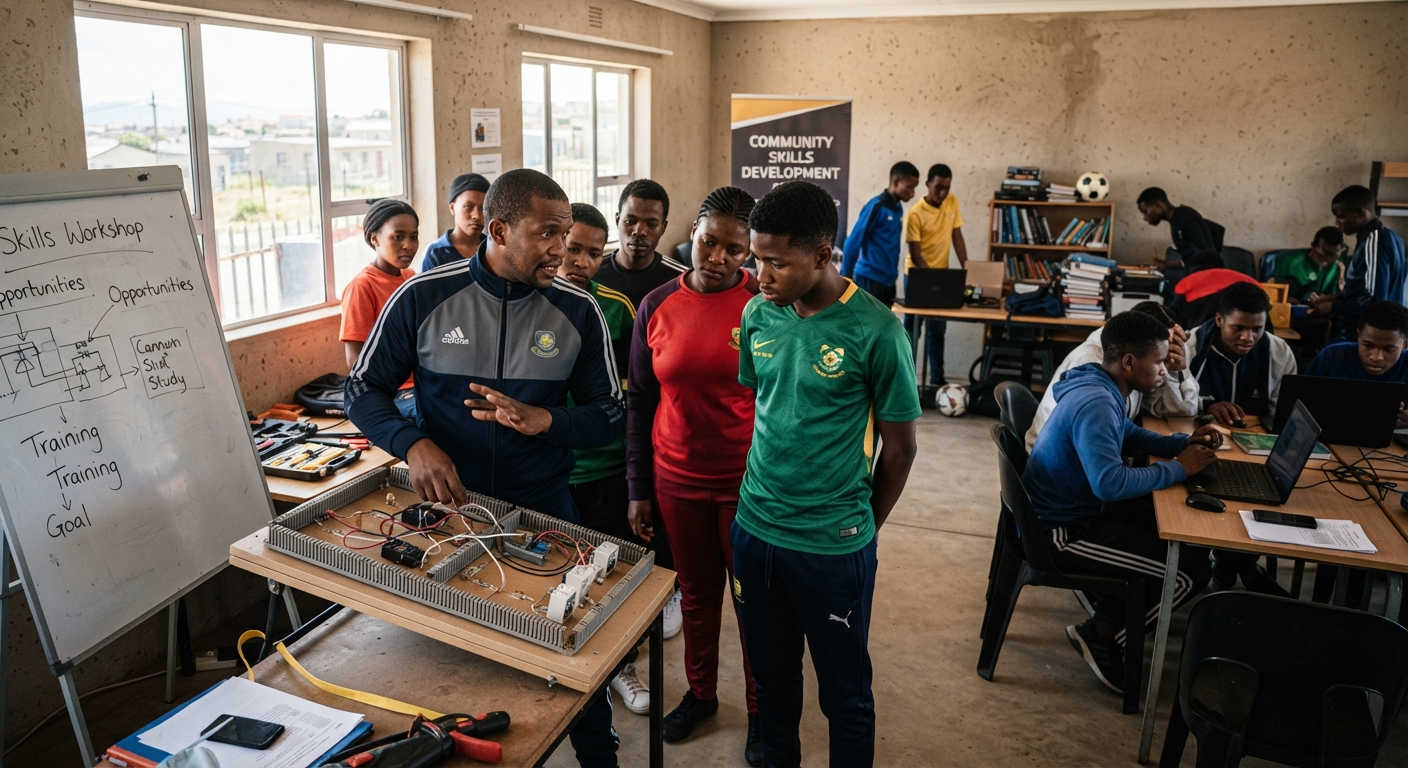
Beyond the Goal: AFCON Qualifiers – A Blueprint for Skills and Opportunity in Africa
Beyond the goals, Africa's AFCON qualifiers highlight the crucial role of teamwork, discipline, and strategic thinking – inspiring youth towards skills…