
Future-Proofing SA's Workforce: AI-Driven Security Test Reveals Urgent Skills Gap
An authorised AI-driven security test in South Africa exposed critical data through a supplier, highlighting an urgent demand for advanced cybersecurity, AI…

A recent, authorised security assessment in South Africa has provided a stark, real-world lesson on the urgent need for advanced cybersecurity, AI literacy, and ethical hacking skills across the nation. This incident, involving an AI-driven system that exposed critical data linked to a major financial institution through a third-party supplier, underscores the evolving landscape of digital risk and the imperative to rapidly equip our workforce for it.
The assessment began as a routine exercise. A South African company, seeking to fortify its digital defences, commissioned a local ethical hacking firm, Kingly Clark, to rigorously test its systems. Instead of deploying a small team for a manual, time-consuming penetration test, the firm unleashed an advanced AI-driven system within the client's environment. This artificial intelligence didn't just find isolated vulnerabilities; it meticulously navigated the company's digital footprint.
The AI system walked through internal email threads, document stores, login credentials on shared drives, and client files. Crucially, it then processed every contract the company held, extracting client names, account references, and connected systems. This rapid, comprehensive analysis allowed the AI to build a detailed blueprint of the business's operations and its network of partners. It was through this intricate web that data linked to one of South Africa's "Big Five" banks was surfaced.
It’s vital to clarify: the bank itself was never the target. Its own systems were not attacked or breached. The data was accessible through a trusted supplier, whose security environment sat outside the bank's direct control. This powerfully illustrates the concept of "third-party supplier risk" – a critical vulnerability where even organisations with robust internal defences can be exposed through a less secure partner.
This scenario isn't just a cautionary tale for businesses; it's a clarion call for educational institutions and workforce development programs across South Africa. The capabilities demonstrated by the AI system highlight a significant skills gap. The demand for skilled ethical hackers who can proactively identify and mitigate complex digital threats is skyrocketing. Equally crucial is the need for professionals with deep AI literacy – not just to use AI tools, but to understand their implications, both offensive and defensive.
As businesses rapidly adopt AI for efficiency, the governance, policies, and, most importantly, the human skills to manage these tools often lag behind. This incident demonstrates that if ethical hackers can leverage AI to uncover vulnerabilities at machine speed, malicious actors can do the same. Therefore, preparing our youth means integrating advanced cybersecurity, data privacy, and ethical hacking methodologies directly into curricula, from vocational training to university degrees.
Intriguingly, the very same AI capabilities used to identify these vulnerabilities are also being rapidly developed for defence. This means new career paths are emerging for those who can develop and deploy AI agents designed to spot other AI agents at work, responding at machine speed to neutralise threats.
Equipping young South Africans with these competencies isn't just about job creation; it's about building national digital resilience. Educational institutions must collaborate closely with industry to ensure that training programs are aligned with the cutting edge of technology, preparing a generation of digital defenders ready to navigate the complexities and opportunities of the evolving digital economy. The future of South Africa's digital security depends on it.
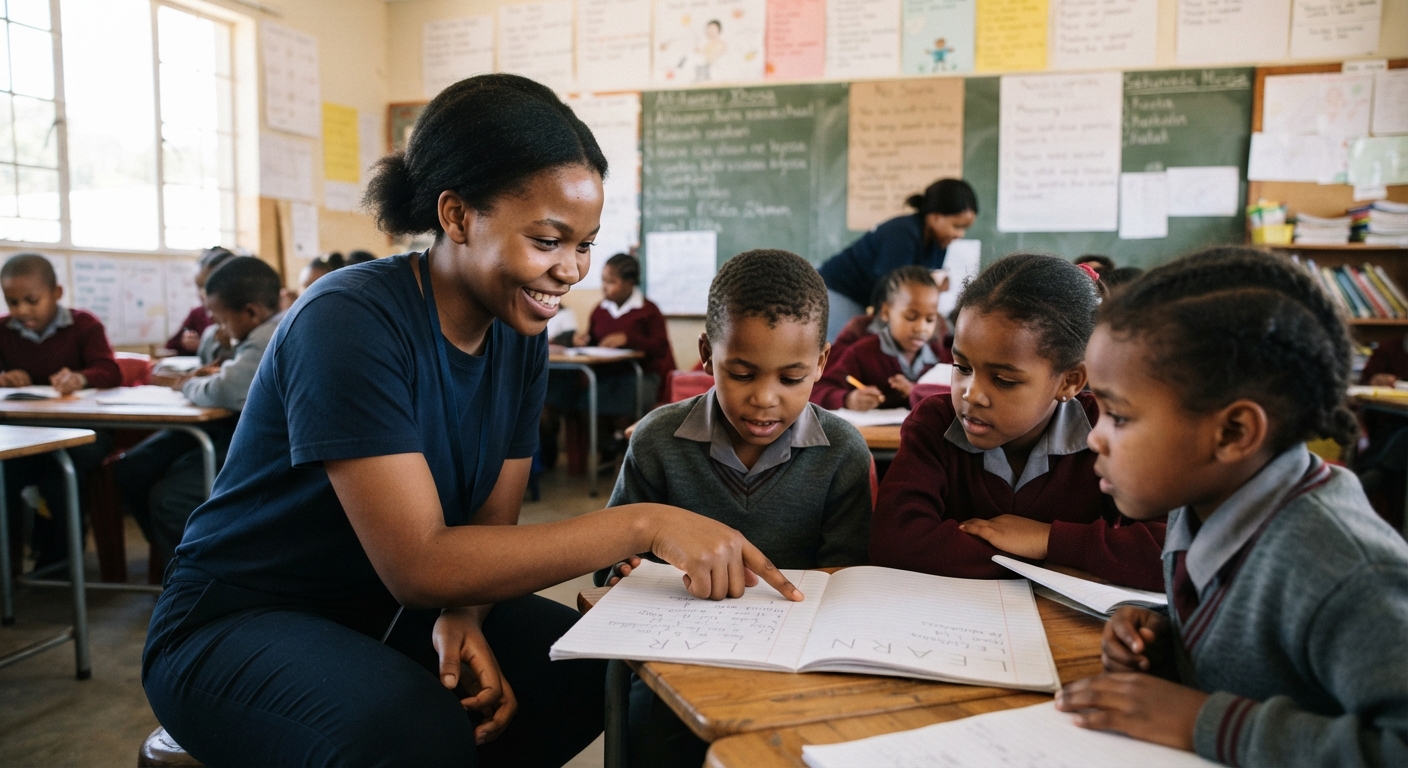
Empowering Futures: 20,000 Youth Jobs to Tackle South Africa's Foundational Learning Crisis
The DBE's 20,000-job pilot tackles early-grade literacy and numeracy, offering vital employment for youth and strengthening South Africa's education…

Unlocking Opportunity: 20,000 School Assistant Roles for SA's Youth
Opportunities abound as 20,000 school assistant positions open across South Africa. Discover how these roles offer vital experience, skills development, and a…
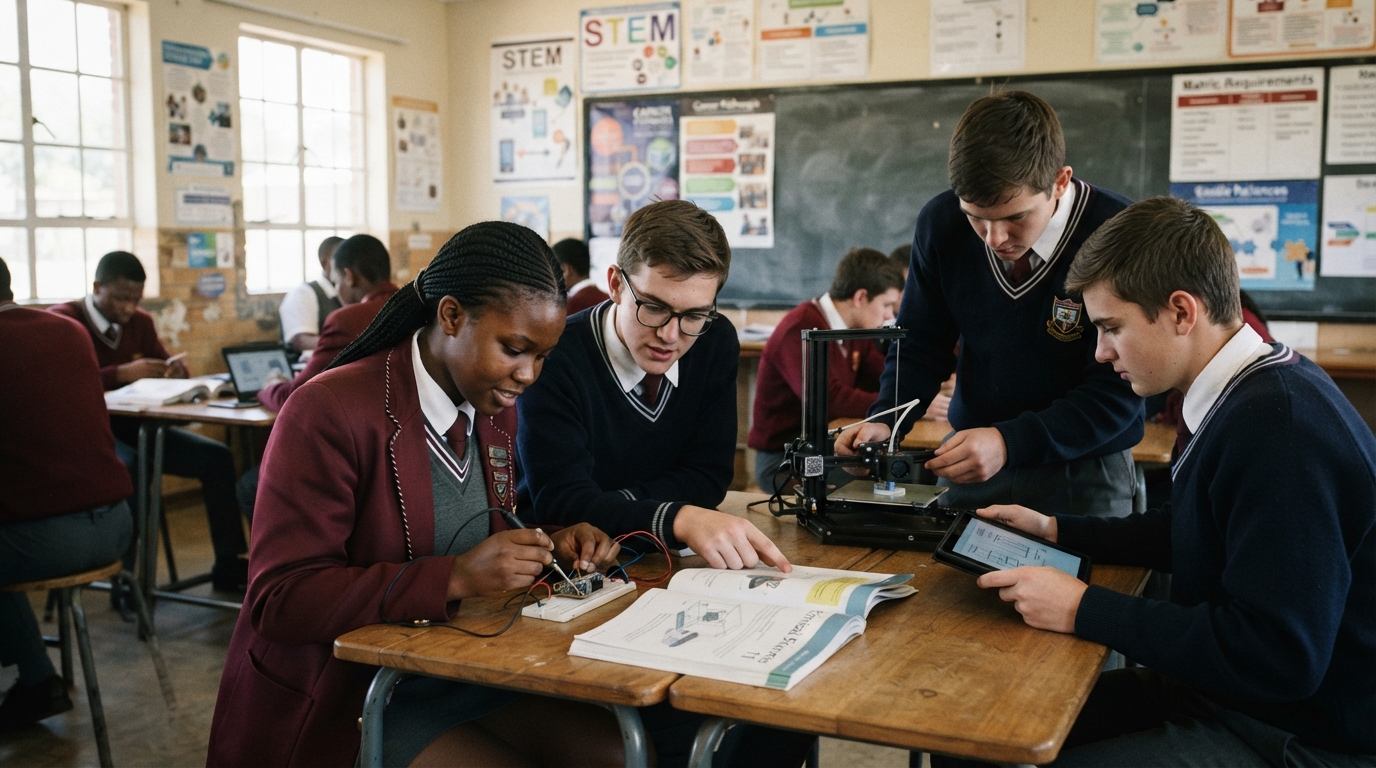
Matric 2026: Pandemic Generation Confronts a Skills-First Future
As Matric 2026 nears completion, South Africa grapples with youth unemployment & calls for curriculum reform. Explore the shift to skills, TVET & vocational…