
Matric 2026: Pandemic Generation Confronts a Skills-First Future
As Matric 2026 nears completion, South Africa grapples with youth unemployment & calls for curriculum reform. Explore the shift to skills, TVET & vocational pathways.
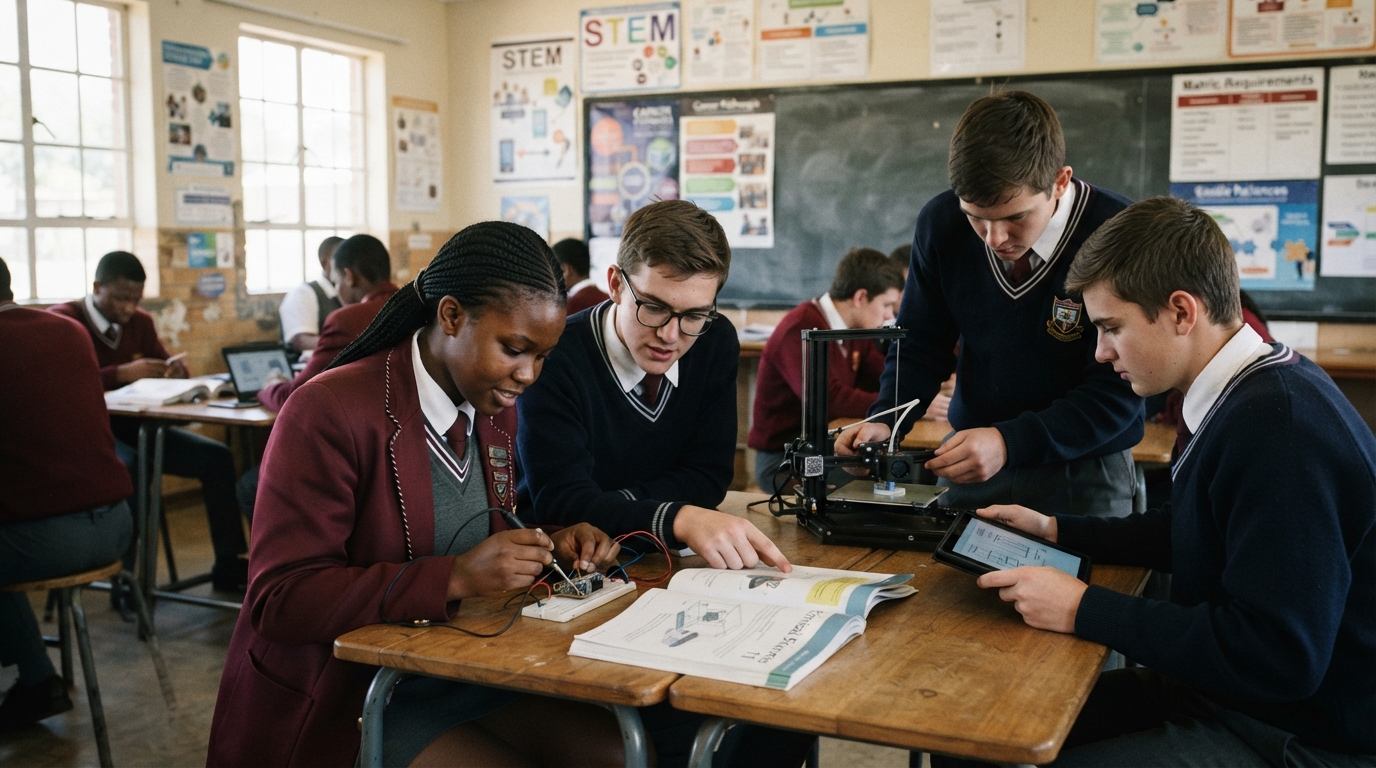
The Class of 2026, etched by the global pandemic, embarks on their final matric exams this week, not just completing schooling, but stepping into a South African job market vastly different from generations past. Their journey through disrupted learning now culminates in a landscape grappling with persistent youth unemployment and urgent calls for educational reform. This cohort faces the stark reality that a matric certificate alone is increasingly insufficient in a rapidly evolving economy demanding practical skills and vocational aptitude. Young South Africans are asking: how do we transition from school to a meaningful livelihood?
Beyond the Textbook: The Demand for Relevant Skills
Traditional academic pathways, while valuable, are under scrutiny. The formal job entry rates for matriculants have stagnated, highlighting a clear disconnect between the output of the schooling system and the input requirements of the workforce. Policy discussions are intensifying around integrating more vocational subjects and technical training earlier in the curriculum. The goal is to equip learners with immediately applicable skills, preparing them for diverse roles beyond tertiary academic pursuits and fostering entrepreneurial spirit.TVET Colleges: A Pivotal Role in the New Landscape
As the nation seeks to pivot towards a skills-based economy, Technical and Vocational Education and Training (TVET) colleges are emerging as crucial institutions. They offer specialised training designed to meet industry needs, providing a direct pipeline to employment in sectors like engineering, hospitality, and Information and Communication Technology (ICT). Advocating for TVETs isn't just about an alternative route; it's about recognising and valuing practical expertise as a cornerstone of economic growth and individual empowerment. Investing in these institutions is investing in our future workforce.The South Africa / Africa Angle
For South Africa and the wider continent, this moment is a critical juncture. Government initiatives like NSFAS, while vital for university access, must also be strategically aligned with vocational training funding. Youth unemployment programmes need to expand beyond remedial interventions to proactive skills development that integrates work-integrated learning. This matric class serves as a poignant reminder that policymakers must accelerate reforms that foster a dynamic education ecosystem, responsive to both global trends and local socio-economic realities, ensuring no young person is left behind due to a lack of relevant skills or pathways.The Matric Class of 2026 isn't just completing a school chapter; they are spearheading a national conversation about the future of education and work. Their success hinges not only on their exam results but on a collective commitment to transform our learning institutions into engines of opportunity for all.
Source: Daily Maverick