
Africa's Future Under Threat: Mega Meth Haul Exposes Scourge on Youth Development
A massive meth seizure in Kenya exposes the growing drug crisis threatening African youth, education, and skills development. Urgent action needed to protect…

The recent seizure of 454kg of methamphetamine in Kenya, valued at an estimated $27 million, is far more than an isolated law enforcement victory. It serves as a stark warning about the rapidly escalating drug crisis threatening to unravel Africa's future, particularly impacting its most valuable asset: its youth. For a continent striving for skills development, economic empowerment, and educational advancement, the proliferation of highly addictive synthetic drugs like meth poses an existential threat to these aspirations.
The Escalating Threat to Human Capital
The intelligence-led operation, involving Kenyan and Tanzanian anti-narcotics officers, unearthed a sophisticated international trafficking network spanning multiple nations, including Afghanistan, Mozambique, Zambia, Malawi, Uganda, Kenya, Tanzania, UAE, and critically, South Africa. This vast reach underscores the scale of the challenge. Methamphetamine, a notoriously destructive synthetic drug, can cause severe psychosis, heart attacks, and strokes, effectively incapacitating individuals and derailing lives. This haul, one of Kenya's largest, suggests a determined effort by criminal syndicates to flood the East African market and use the region as a transit hub, with devastating consequences for public health and national security.Targeting Africa's Most Vulnerable
The primary victims of this illicit trade are often young people, vulnerable to the false promises of quick money or trapped in the cycle of addiction. For many African youth grappling with high unemployment rates and limited opportunities, the allure of drug-related activities can seem a desperate escape. This insidious cycle directly undermines efforts to build a skilled workforce. Educational institutions, from TVET colleges to universities, see students drop out as addiction takes hold, while workforce training programmes struggle to reintegrate individuals whose lives have been fractured by drug abuse. As Kenya’s Deputy President Kithure Kindiki recently declared, illicit drugs are a top national threat, mirroring concerns across the continent.The South Africa / Africa Angle
For "Skills for Africa" and its readership – including South African policymakers, educators, students, and youth programme leaders – this Kenyan incident is a direct reflection of a shared continental vulnerability. The explicit mention of South Africa in the trafficking network highlights the nation's role, wittingly or unwittingly, as both a transit point and a potential market for these destructive substances.The implications for South Africa's youth, education, and skills development agenda are profound. Drug abuse destabilises families, decimates communities, and places immense strain on already stretched public health and social services. It directly obstructs the goals of NSFAS by undermining the very students it seeks to support. Matriculants striving for university or TVET college entry find their paths blocked by addiction, while youth unemployment programmes struggle to equip individuals whose cognitive and physical health have been compromised.
Combating this menace requires a multi-pronged approach: strengthening border controls and intelligence sharing across Africa, enhancing youth prevention and awareness campaigns, and significantly investing in rehabilitation and reintegration services. Crucially, it demands a renewed focus on creating genuine economic opportunities and robust educational pathways, making the illicit drug trade a far less attractive alternative for struggling youth. This is not just a law enforcement issue; it's a critical human development challenge that must be addressed at every level of society.
Source: BBC Africa
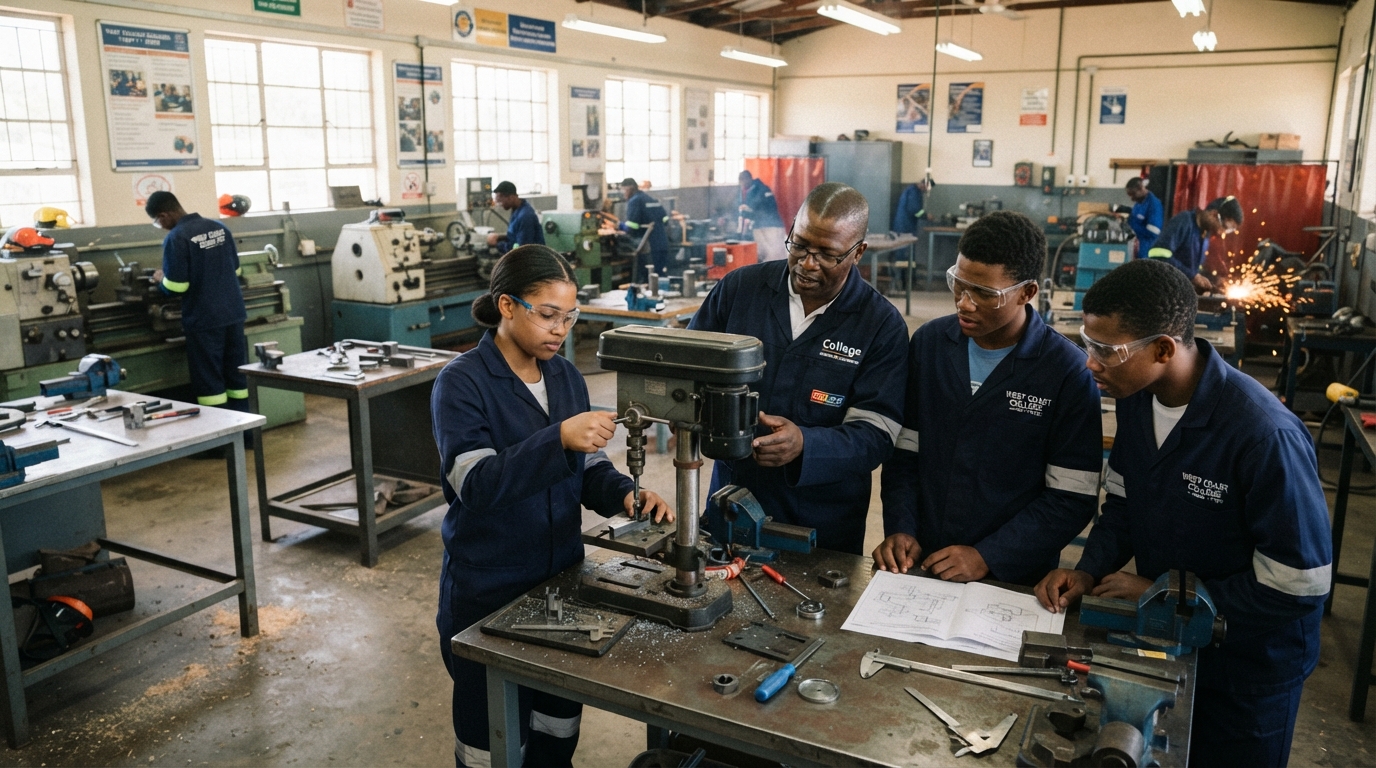
TVET & CET: Igniting South Africa's Youth for a Skilled Future
Explore how TVET and CET colleges are transforming South Africa's education landscape, offering vital skills, tackling youth unemployment, and building a…
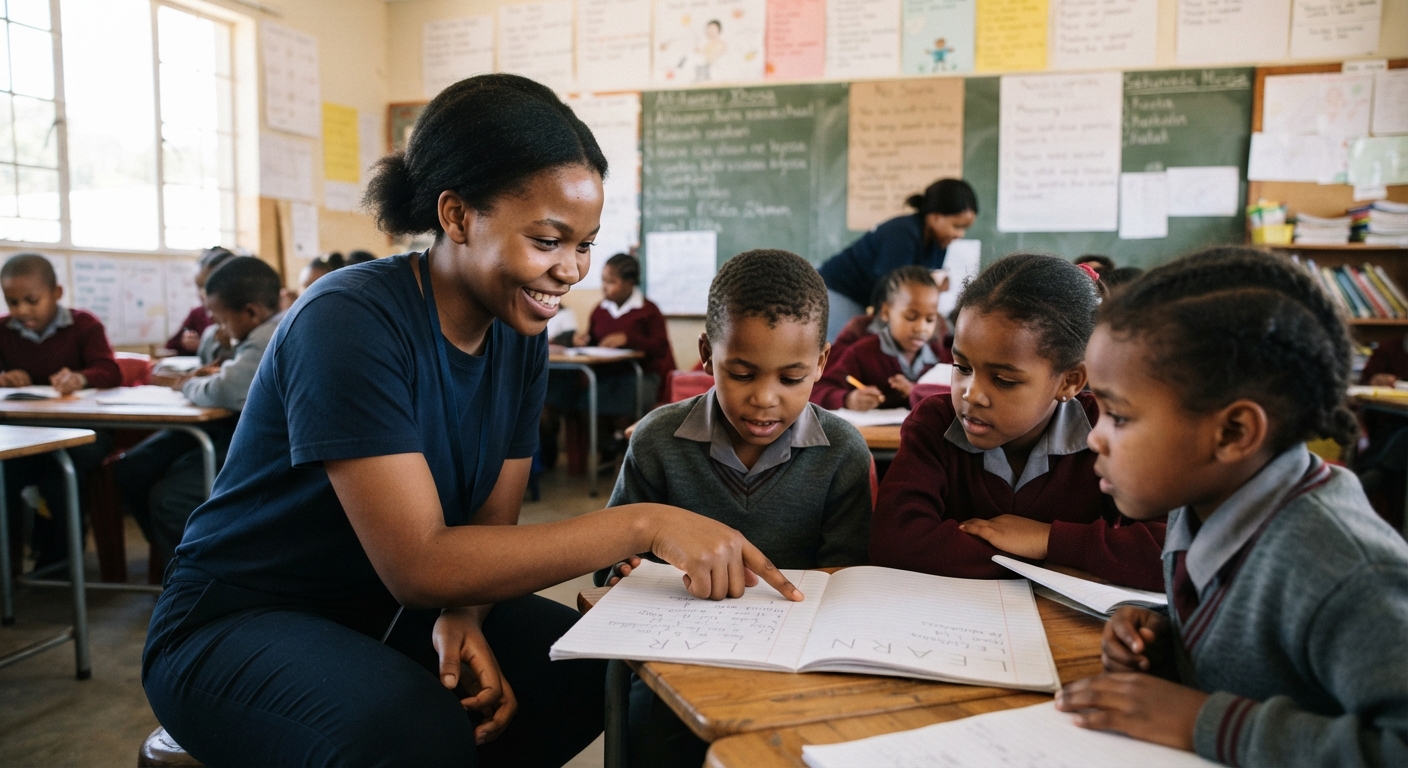
Empowering Futures: 20,000 Youth Jobs to Tackle South Africa's Foundational Learning Crisis
The DBE's 20,000-job pilot tackles early-grade literacy and numeracy, offering vital employment for youth and strengthening South Africa's education…
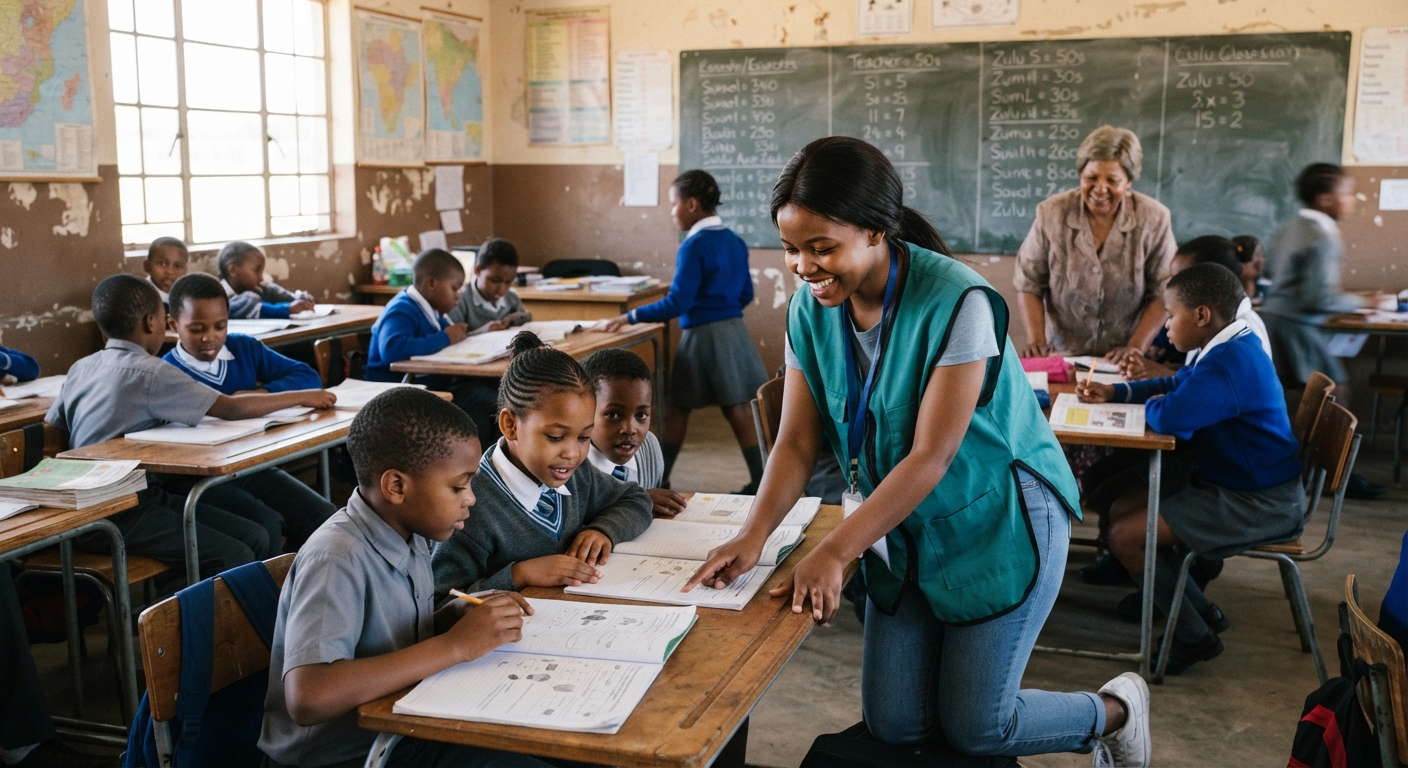
Unlocking Opportunity: 20,000 School Assistant Roles for SA's Youth
Opportunities abound as 20,000 school assistant positions open across South Africa. Discover how these roles offer vital experience, skills development, and a…